
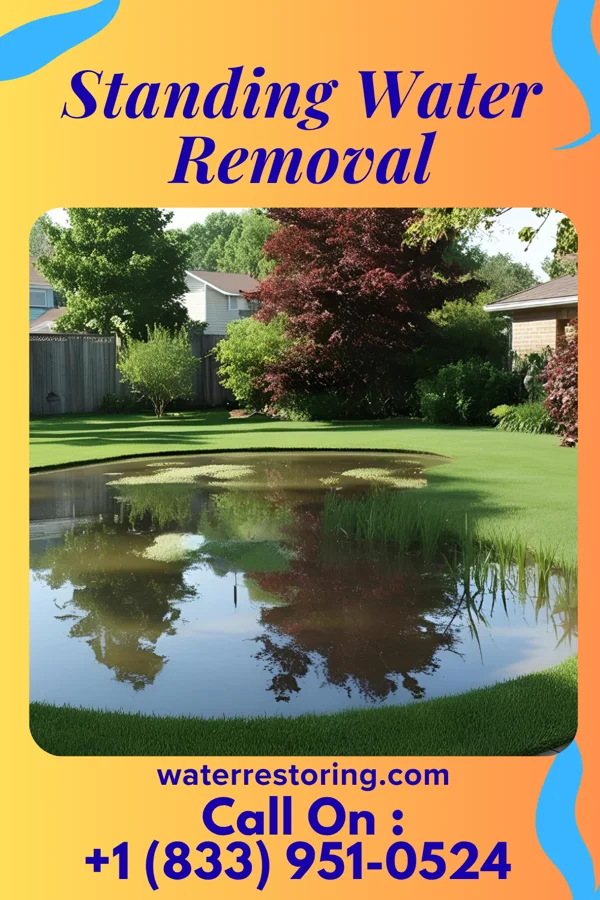
Standing Water Across Lime Village Neighborhoods
Every neighborhood in Lime Village has a different water damage risk profile. The one that shows up on most restoration calls is In Lime Village, Alaska, the primary cause of water damage is often due to sudden thawing of permafrost and heavy spring rains, which can lead to rapid flooding in homes and infrastructure. Additionally, snowmelt combined with frozen ground can create unexpected water accumulation in low-lying areas.. A close second is Secondary causes include leaking pipes, faulty plumbing systems, and inadequate drainage in rural areas. In some cases, wildlife intrusion, such as beavers, can also contribute to water damage by blocking waterways and causing localized flooding..
Lime Village experiences extreme seasonal changes, with long, harsh winters and rapid spring thawing. This climate creates a high risk of water intrusion, especially in older or poorly maintained structures. The region's remote location also complicates emergency response and water removal efforts.
Water damage in Lime Village follows a few local patterns. In Lime Village, Alaska, the primary cause of water damage is often due to sudden thawing of permafrost and heavy spring rains, which can lead to rapid flooding in homes and infrastructure. Additionally, snowmelt combined with frozen ground can create unexpected water accumulation in low-lying areas. accounts for the bulk of our calls. Lime Village experiences extreme seasonal changes, with long, harsh winters and rapid spring thawing. This climate creates a high risk of water intrusion, especially in older or poorly maintained structures. The region's remote location also complicates emergency response and water removal efforts. Mold can develop quickly in Lime Village due to the high humidity levels during thawing periods and the presence of wet soil. Prompt water removal is critical to prevent mold growth and long-term structural damage in homes and buildings.
For public guidance on the health effects of mold after prolonged water exposure, see the EPA mold and health page.